Varicose veins are unsightly and can be painful , and can cause persistent swelling and a feeling of heaviness in the legs. Learn how and why you should take better measures to prevent varicose veins.
What are varicose veins?
Varicose veins cause the return of blood to the heart to be disrupted. A hereditary predisposition to weak connective tissue, obesity, and increasing age contribute to the vein walls becoming "stretched" and the vein valves becoming leaky—the blood from the legs is no longer pumped sufficiently toward the heart and pools in the lower leg tissue. Anyone who leaves this circulatory disorder, also known in technical terms as varicosis or varicosity, untreated risks serious consequential damage to their health and increases the risk of thrombosis.

Prevent varicose veins through regular exercise
Since sitting for long periods of time can promote varicose veins, the basic principle is: walk and move around a lot, sit and stand as little as possible. In general, exercise promotes blood flow and reduces venous pressure. Whether you climb stairs, go for walks, cycle, or swim—the main thing is that you enjoy it and do it regularly.
Healthy eating is the icing on the cake
A healthy and balanced diet helps prevent varicose veins in several ways: Firstly, you have better control over your body weight, which relieves pressure on the veins in your legs. Secondly, certain foods containing omega-3 fatty acids, which are particularly abundant in oily fish, can keep your veins elastic. Drink plenty of water as well: this prevents the blood from thickening too much and allows it to flow back to the heart more easily.
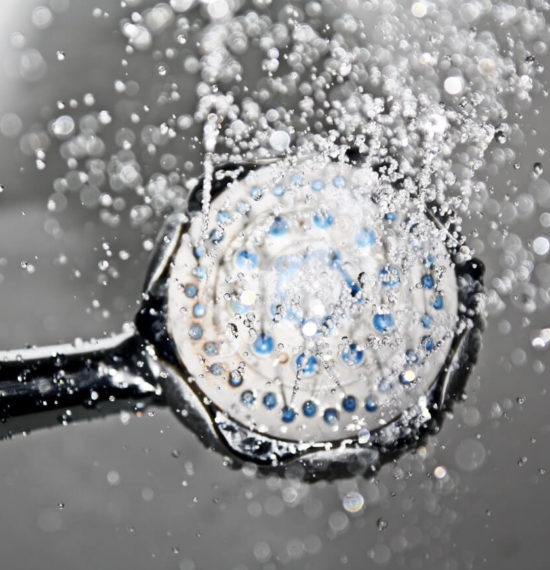
Take cold showers, wear appropriate clothing, and elevate your legs.
To promote blood circulation, you can finish your warm shower in the morning with a cold leg rinse: start at the ankle, direct the water jet over the shin to the knee, and repeat the procedure several times. Also, make sure you don't wear pants, stockings, and shoes that are too tight and constricting, as these can impede blood flow. High heels in particular are poison for your veins. And elevate your legs as often as possible to relieve pressure on your veins. An adjustable slatted frame at the foot of the bed can be particularly helpful at night.
Can capsules, gels, and creams help with varicose veins?
Active ingredients designed to prevent varicose veins have been available on the market for a long time. These include horse chestnut extract with the active ingredient ascein and red vine leaves, which are rich in flavonoids. They have an anti-inflammatory effect, are said to seal the walls of blood vessels, and prevent water from penetrating the surrounding tissue and forming edema.
As you can see, there are several measures you can take to prevent varicose veins. However, if you are already struggling with varicose veins, you should definitely consult a specialist for clarification. You can read about the symptoms of varicose veins and whether you may be affected here.