





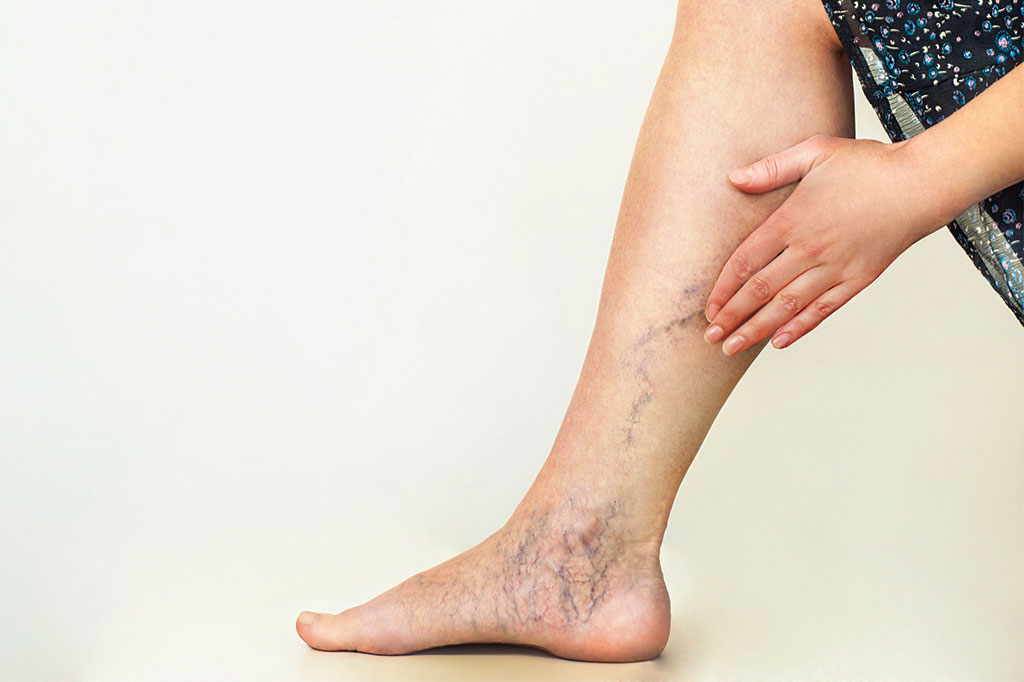
The word „varicose vein“ is derived from the word „varicose vein“ and means a tortuous and unusual course of a vein under the skin. The dilation of the vein is usually due to a defective valve closure in the vessel. This results in excessive pressure in the vein and can lead to various symptoms.
Varicose veins hurt for many different reasons
The excessive pressure in the dilated vein leads to irritation of the surrounding cutaneous nerves and can therefore cause pain in the area surrounding the vein. The patient usually notices this by feeling a pulling pain in the area around the dilated vein. This is not initially dangerous, but can be an indication of more extensive varicose vein disease. In this case, a vein specialist should always be consulted in order to rule out deeper varicose veins with a further ultrasound examination.
A clot in a vein causes varicose veins to hurt
Occasionally, a clot (so-called thrombus) forms in an enlarged vein. This then manifests itself with a painful hardening of the affected vein as well as overheating and reddening of the overlying skin. These clots can occur spontaneously in dilated veins, but they can also be an indication of another disease. Occasionally they also occur after a venipuncture as part of a medical treatment. In this case too, a vein specialist should be consulted as soon as possible, as blood-thinning medication may need to be administered to prevent the clot from progressing into deeper veins. The clinical picture of a varicose vein with clot formation is called „superficial venous thrombosis“ or „thrombophlebitis“.
Swelling of the leg leads to painful varicose veins
In some patients, varicose vein disease is already so advanced that the blood in the veins of the legs becomes congested and fluid accumulates in the fatty tissue under the skin. This is known as oedema. Oedema can also lead to pain due to irritation of the surrounding skin nerves. This oedema is already the first sign of chronic venous insufficiency and also requires further phlebological clarification. If varicose veins are found to be the cause of this accumulation of water, there is usually an indication for invasive therapy, e.g. laser or radiofrequency ablation or foam sclerotherapy.
However, deep vein thrombosis must always be ruled out if there is swelling on one side of the leg. The method of choice here is ultrasound examination, which can detect or rule out a thrombosis with a high degree of certainty.
What to do when varicose veins hurt?
It is always advisable to seek medical advice, e.g. from a vein specialist (phlebologist or vascular surgeon). He or she can provide information on vein function and venous valves by means of an ultrasound examination and further vein function tests using light reflection rheography and venous occlusion plethysmography. If the varicose vein disease is mild, wearing a class I or II compression stocking can often significantly alleviate the symptoms. As a rule, a lower leg compression stocking is sufficient, even the lightest class I, as this type of stocking is better tolerated by the patient and is therefore worn more frequently than a class II thigh compression stocking.
Compression stockings help when varicose veins hurt
It is also helpful to pour cold water over the legs for 5 minutes at a time in the shower. This leads to a contraction of the veins and a reduction in symptoms. According to current studies, medication can also occasionally alleviate symptoms. However, more extensive vein problems involving the truncal veins often require an invasive procedure using a minimally invasive endovenous surgical technique (e.g. laser or radiofrequency). However, your treating phlebologist will discuss this with you in a detailed consultation and discuss the advantages and disadvantages of the individual procedures with you. This will enable a customised treatment plan to be drawn up.
Help is always available when varicose veins hurt
However, there is no need to endure painful varicose veins, as varicose veins can usually be treated effectively with a wide range of highly effective procedures.
